Published June 26, 2024
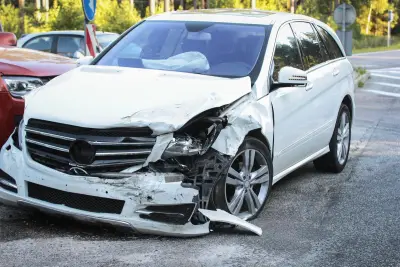
Low-speed bumps in parking lots and stop-and-go traffic are the most common collisions there are. Often the only visible sign is a scuff or a small dent, so it is tempting to leave it. Modern bumpers are designed to hide what happens behind them, though, and some of that hidden damage affects safety or gets worse with time.
What can hide behind a bumper cover
- Energy absorbers. Foam or plastic blocks behind the cover that crush to soak up impact. Once crushed, they do not spring back.
- Brackets and clips. Small plastic mounts break easily. The bumper may look fine but sit loose or slightly out of line.
- The reinforcement bar. The metal beam behind the cover can bend in a hit that barely marks the outside.
- Sensors. Many cars have parking sensors or radar for driver-assist features in or behind the bumper. A small knock can move them out of position.
Signs to check yourself
- Gaps between the bumper and the fenders or lights that are wider on one side
- A bumper that moves when you press on it
- Warning lights or parking-sensor messages on the dash
- Lights that sit crooked or have fogged up inside
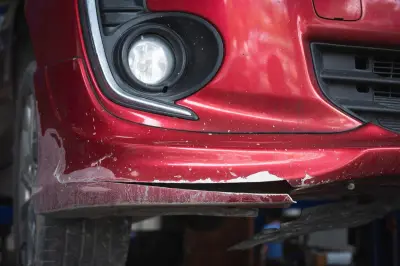
- Paint that is chipped or cracked, not just scuffed
Why small damage can grow
Chipped paint on a steel panel exposes bare metal, and rust can start there and spread under the surrounding paint. A loose bumper cover can catch air at highway speed and pull further away. A sensor that is out of position may not warn you when it should.
What a repair usually involves
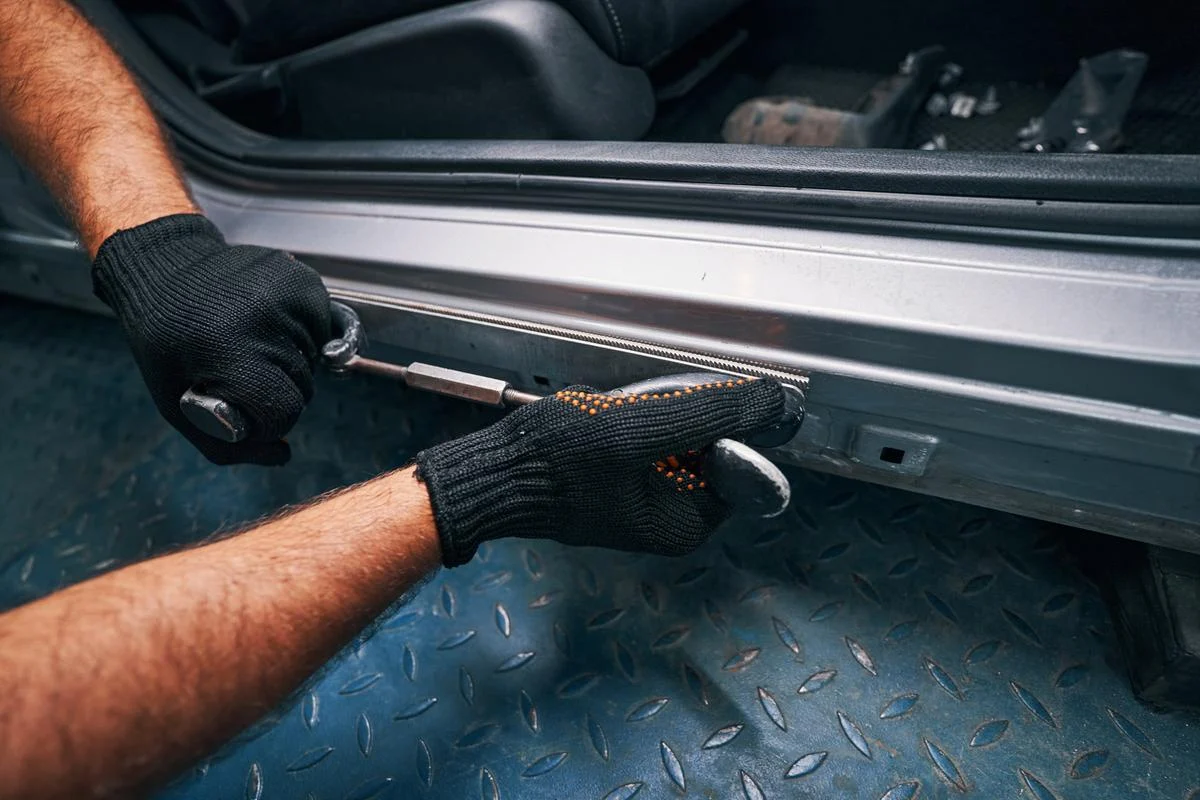
For light damage, a plastic bumper cover can often be repaired and refinished rather than replaced. Dents in metal panels may be candidates for paintless dent repair if the paint is intact. When the cover is removed, the shop checks the absorber, brackets and reinforcement behind it and replaces anything broken. Our bumper repair and fender repair pages describe the options.
Should you claim it on insurance?
That depends on your deductible, who was at fault and how much the repair costs. Getting an estimate first helps you decide. If the other driver was at fault, their insurer is normally responsible for the repair.
Have it looked at
Send us a few photos: one of the whole corner of the car, one straight on and one along the panel. We will tell you what we see and whether the car should come in to the shop for a closer look.