A parking-lot bump or a slow-speed rear-ender rarely looks dramatic, but it can push a bumper out of line, crease a fender and crack paint in places that are easy to miss. Collision repair puts those panels back in shape and brings the finish back in line with the rest of the car.
We focus on minor-to-moderate collision damage at our shop on Foster Ave in Nashville: the kind of fender bender that leaves a car drivable but clearly not right.
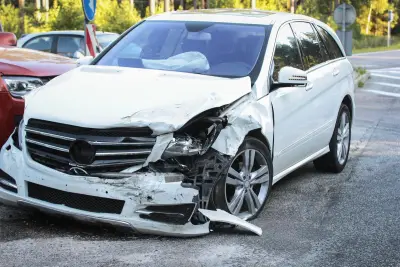
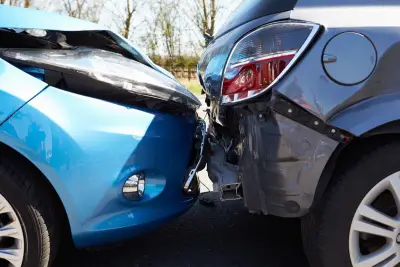
What minor collision damage really involves
Damage from a low-speed impact often spreads past the spot that took the hit. A bumper cover can absorb the blow and look fine while its mounting tabs or the reinforcement behind it are bent. Neighboring panels can shift, so the gaps around the hood, headlight or door open up or close down. Paint can craze or flake along a crease even when the metal looks only slightly wavy.
Signs worth having inspected
- Uneven gaps between the hood, fender, door or trunk lid
- A bumper that sits lower or sticks out on one side
- Doors or a trunk lid that close harder than before
- Cracked, chipped or flaking paint near the impact area
- Headlight or taillight housings that are loose or out of line
- New rattles or wind noise after the impact
How a collision repair moves through our shop
- Inspection. We look at the impact point and the panels around it, check gaps and fit, and note damage that tends to hide behind trim and covers.
- Written estimate. You get the repair broken down by panel and operation, so you can see what is being repaired, what is being replaced and what is being refinished.
- Repair plan. We decide panel by panel whether to repair or replace, which parts to order, and which adjacent panels need blending for an even color.
- Body work. Dented panels are pulled and shaped, damaged parts are swapped out, and surfaces are prepped for primer.
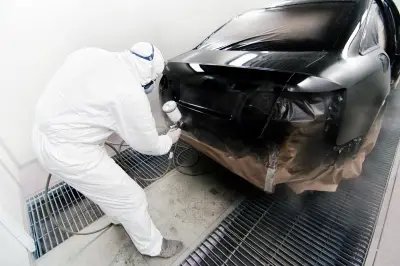
- Paint. Repaired areas are primed, painted and clear coated. Our page on how we match and blend paint explains this stage in detail.
- Reassembly and check. Lights, trim and moldings go back on, and we check panel gaps, door and trunk operation and the finish in good light before you pick the car up.
Repairing a panel
Most dents and creases in steel or aluminum panels can be reshaped and refinished, which keeps the original part and the way it was fitted at the factory.
Replacing a panel
When metal is torn, stretched or kinked at a reinforced edge, or a plastic part is broken through, a new part is often the cleaner repair.
Filing with your insurer
If you plan to use insurance, you can file a claim with your own insurer or with the other driver’s, depending on who was at fault and what coverage you carry. In most cases you choose where the car is repaired. Bring your claim number when you come in, or add it to your estimate request along with any adjuster notes, and we will document the damage we find.
Start with a few photos
The quickest first step is to send us photos of the collision damage: one wide shot of the whole side or end of the car, a few close-ups, and one along the panel at a low angle so the light shows the shape of any dents.
If the damage is limited to a scuffed or cracked bumper cover, our notes on repairing plastic bumpers go into that in more detail.
Related services
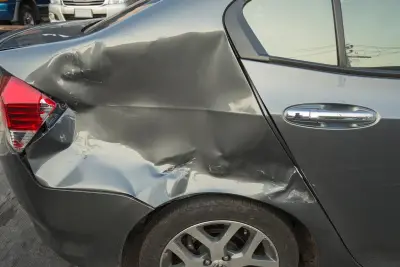
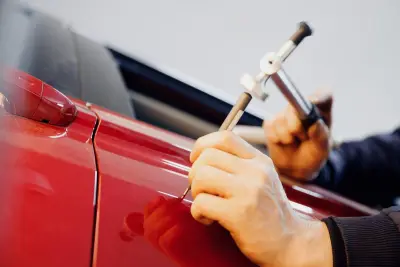
Articles on this topic
Frequently asked questions
Is my car safe to drive after a minor collision?
If the lights work, nothing is rubbing a tire and no warning lights came on, many cars can still be driven after a fender bender. A bumper or trim piece hanging loose, a headlight that no longer works or a fender pushed against the tire is a reason to park it until it has been looked at.
Why can an estimate change after repairs start?
Some damage only becomes visible once the bumper cover, lights or inner trim come off. If we find bent brackets or other hidden damage, we document it and update the estimate before doing the extra work.
Do I need a claim number before I bring the car in?
No. You can get an estimate first and decide about filing later. If you have already filed with an insurer, bring the claim number so the paperwork lines up with the repair.
Will the repaired panels match the rest of the car?
We mix paint to your vehicle's paint code, compare test sprays against the car and often blend color into the neighboring panels so the transition does not show in sunlight.
What should I photograph after a collision?
Take a wide shot of each damaged side, close-ups of every dent, crack or scrape, one photo along the panel at a low angle, and a picture of the dashboard if any warning lights are on.
What affects the cost of collision repair?
Cost depends on how many panels are involved, whether parts can be repaired or need replacing, how much refinishing and blending the color needs, and any hidden damage found once trim comes off. Photos give us a first idea; the written estimate comes after an in-person look.